Cupcake
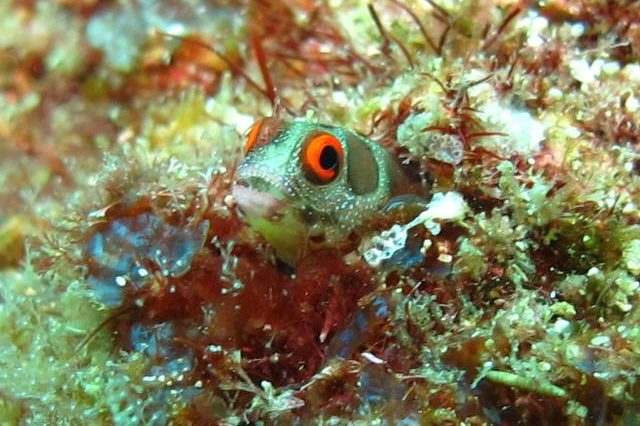
Cupcake Cupcake (in Spanish they use the Spanish word Tetas which has a slightly different…

Dive Trips · Playa Flamingo
The Catalinas are the closest dive region to Playa Flamingo, and for a lot of divers they're the whole reason to fly to Costa Rica. A short boat ride offshore, over reefs and rocky pinnacles where the biggest manta ray on the planet drops in to get cleaned.
The short version: this is your best shot at the Pacific giant manta — and a whole lot more.
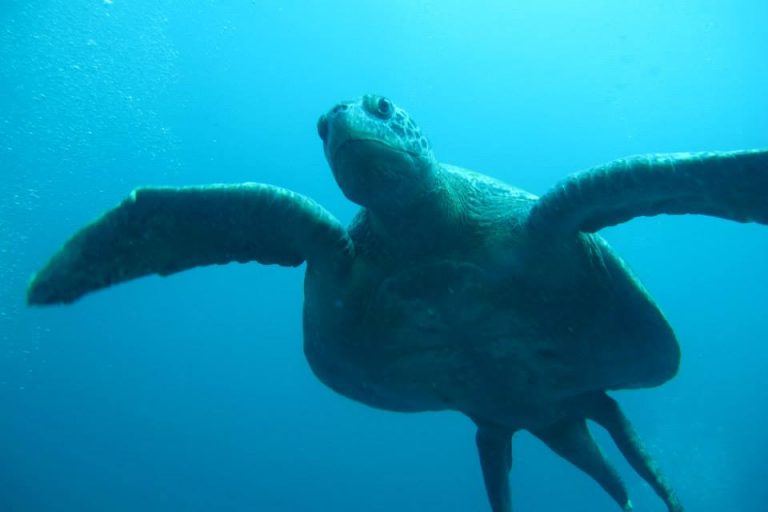
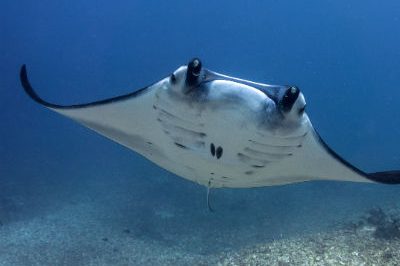
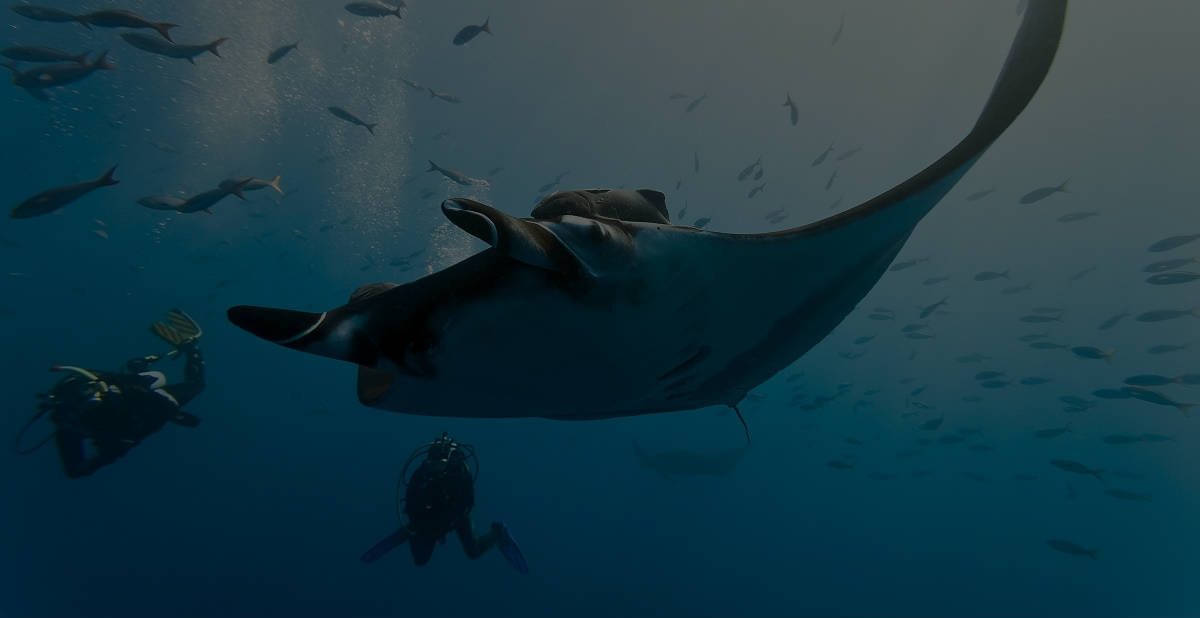
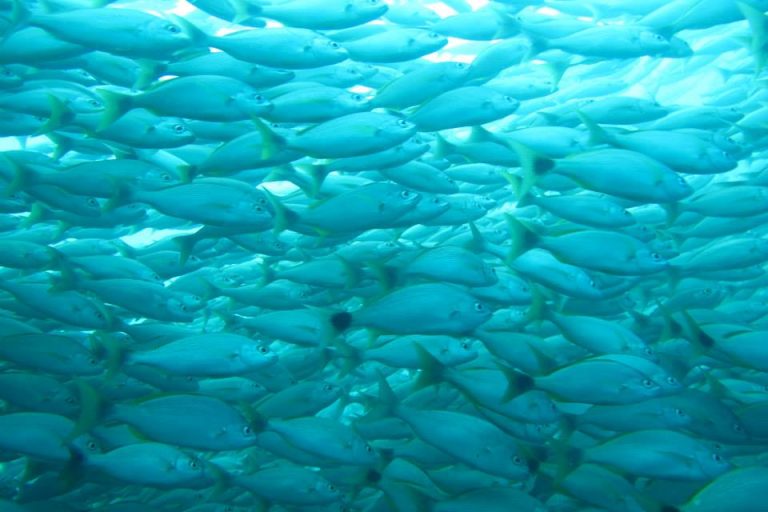
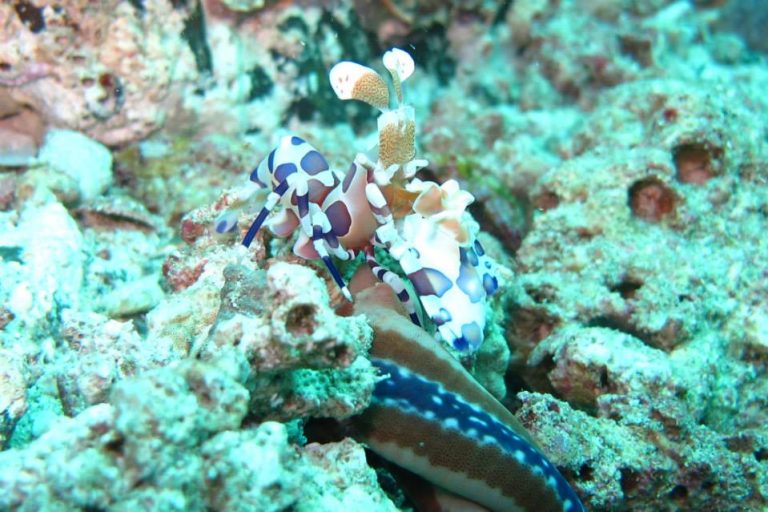
The star out here is the Pacific giant manta ray, the largest manta species in the world, with a wingspan wider than most cars are long. They glide in to the cleaning stations around the islands, and when one passes overhead it's the kind of thing divers remember for years. We'll be straight with you, though — mantas are wild animals, not a guarantee. What is reliable is the rest of the cast: white-tip reef sharks tucked under ledges, several kinds of rays, a few species of sea turtle, morays, the occasional sea snake, and walls of fish thick enough to throw shade.
What you'll see down there
The islands sit 2–15 miles off the northwest Pacific coast, and the mix of currents, depth and rocky contours turns them into a magnet for marine life — all comfortably within recreational limits. On a good dive you'll tick off half this list before you even reach the headliner.
There are more than twenty named dive sites out here. These are the ones guests ask for by name.
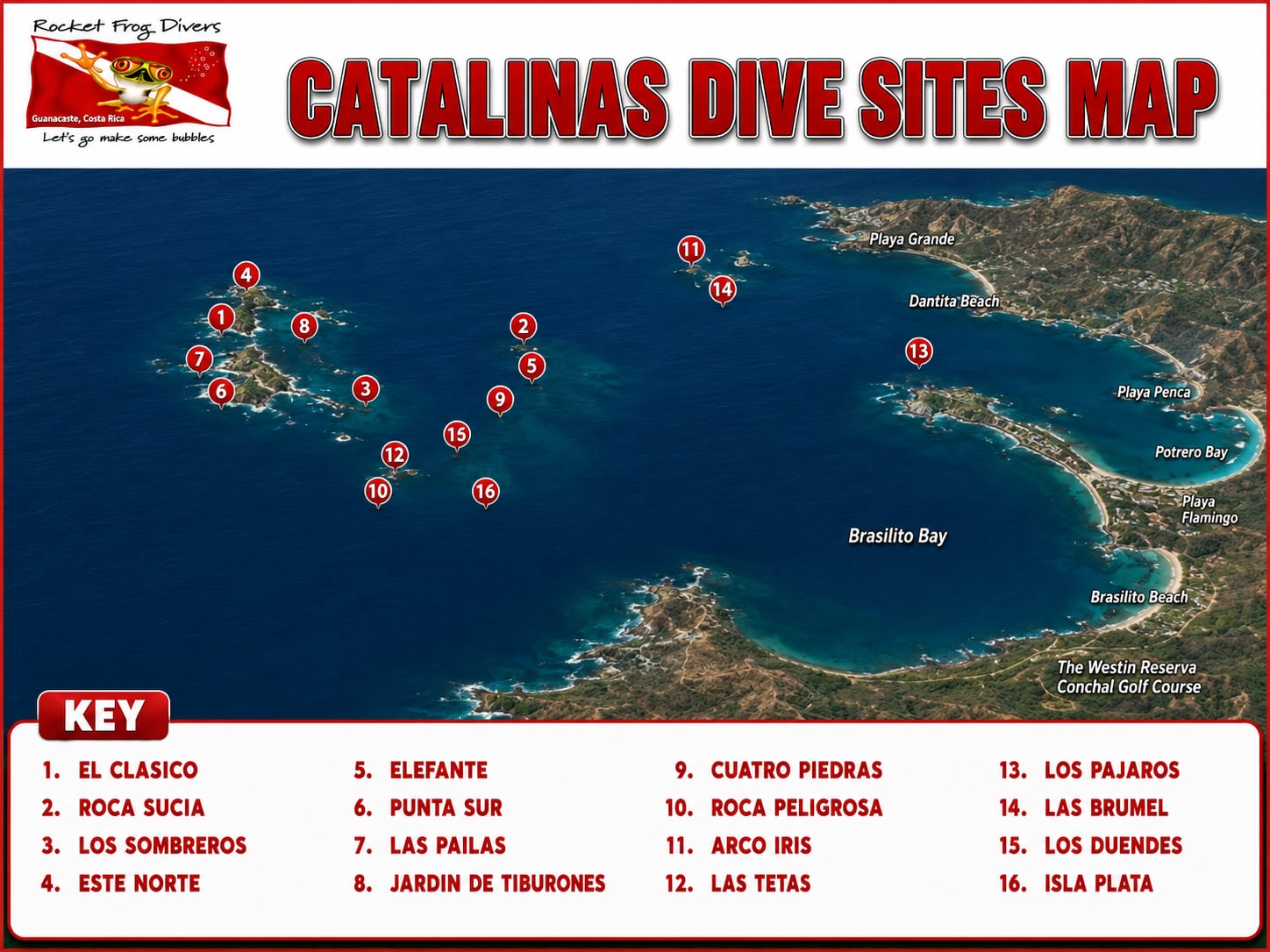
Beyond the headliners there's Cupcake, Four Rocks, Sombrero, Dirty Rock, Isla Plata, Rainbow and plenty more. We pick each day's dives around the conditions and what's actually being seen out there — you'll get the run-down in your briefing.
Plan your dives
The Catalinas dive like the rest of Costa Rica's Pacific — rich, wild and changeable. Here's the straight version so you pack right and set your expectations.
Viz runs from around 80 feet on a good day to 15 or 20 on a poor one, and it can shift from dive to dive. Expect thermoclines — warmer, clearer water up top, cooler and cloudier below. That cooler layer is nutrient-rich, though, and it's often exactly where the big animals are feeding.
In the dry season (December to early May) the water runs a touch cooler — a 3mm suits most divers, though if you feel the cold, pack a 5mm. In the green season it warms up and some go 3mm or skins. Manta sightings tend to peak in that dry-season window.
Based in Playa Flamingo, we're closer to these islands than just about anyone, so less of your day is spent motoring and more of it is spent underwater. We run the Catalinas as a two-tank or three-tank day on our fast, purpose-built boats — three-tank trips run on enriched air, so you'll need a nitrox certification for those. Every dive gets a proper briefing, and our guides know which sites the mantas have been working lately. Newer diver? The Catalinas are friendly to all levels — if you're not certified yet, ask us about Discover Scuba or your Open Water. After a couple of days here, plenty of divers set their sights on the Bat Islands.
Sightings are most common in the dry season, roughly December to May. That said, they're wild animals — we can put you in the right spots, but nobody can promise a manta on a given day.
No. The Catalinas suit a wide range of experience, and sites like East North are great for newer divers. The advanced-level trip in our line-up is the Bat Islands.
The Catalinas are the closest dive region to Playa Flamingo, so it's a short hop compared with most operators — which means more time in the water for you.
White-tip reef sharks, several kinds of rays, sea turtles, morays, the odd sea snake, and huge schools of fish. Even on a no-manta day, there's a lot going on.
Give us your dates and we'll get you out to the Catalinas on the next good day — mantas willing. Fruit, snacks and a fast boat are on us.
Book your Catalinas dive with Rocket Frog Divers →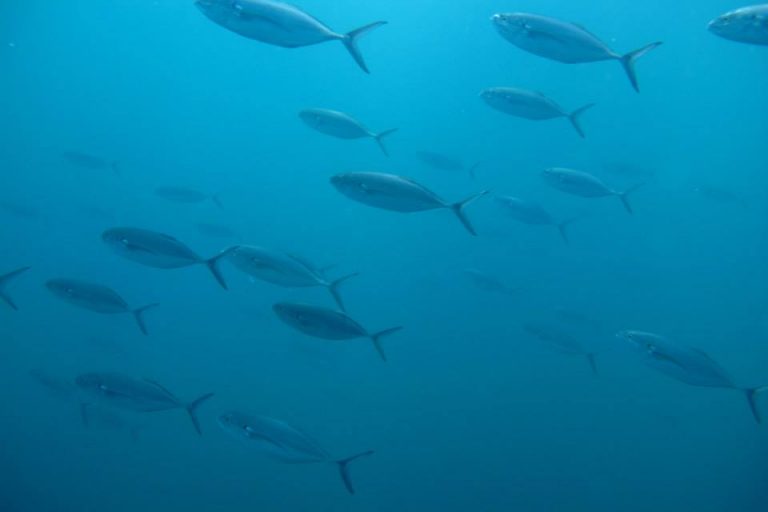
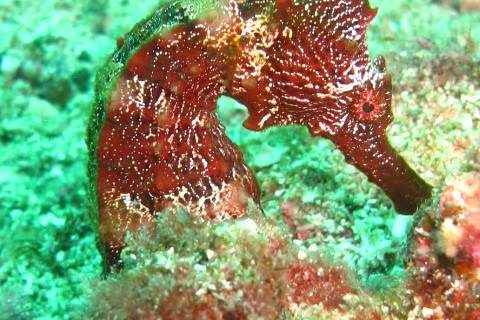
Sombrero East One of our favourite sites at the Catalinas especially for a second dive…
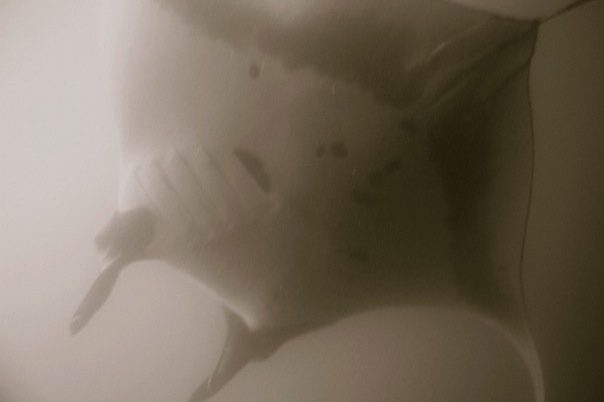
South Point/ The Point & El Jardin IF mantas are around then South point is…
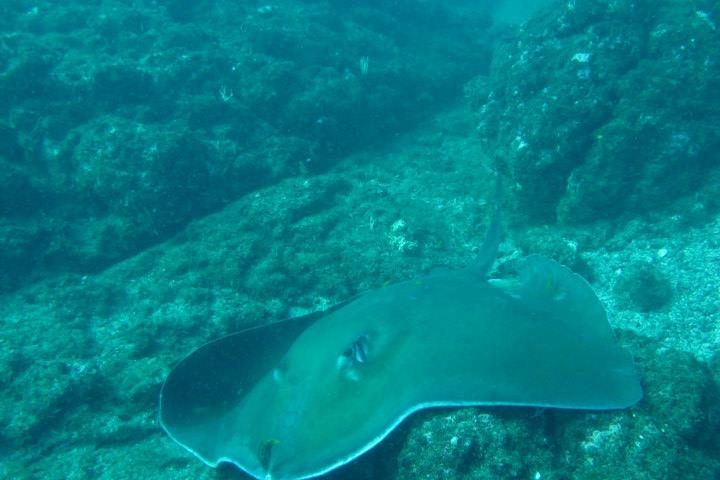
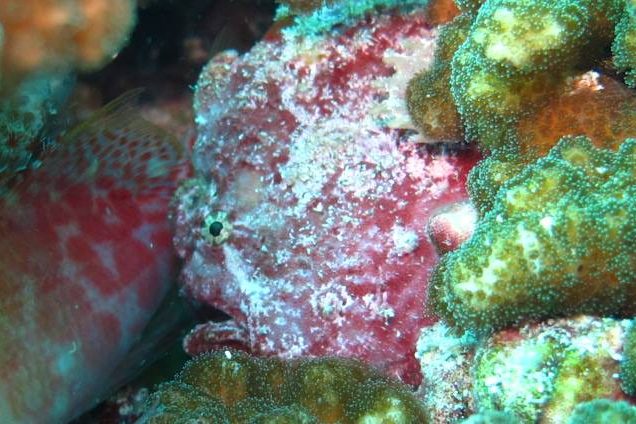
East North East North is a super shallow site great for learner divers and can…
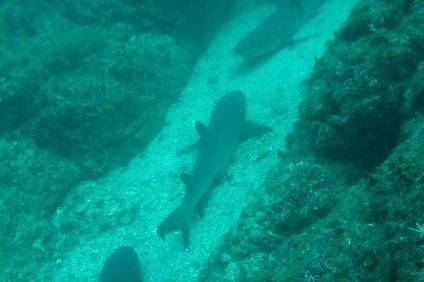
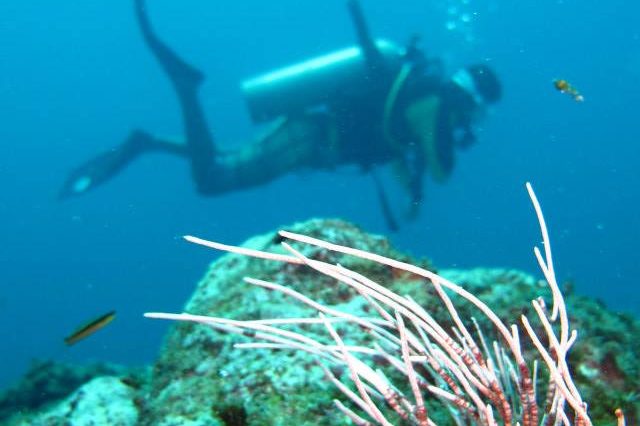
Elephant Rock When the tide is low, Elephant rock has a formation that makes it…
Dirty Rock Dirty Rock, also called the widow due to its solitary position rather than…
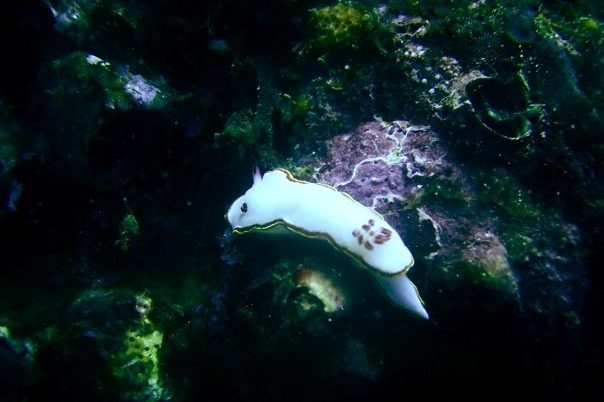
Isla Plata Plata Island sits on the headland off the coast right by Flamingo and…
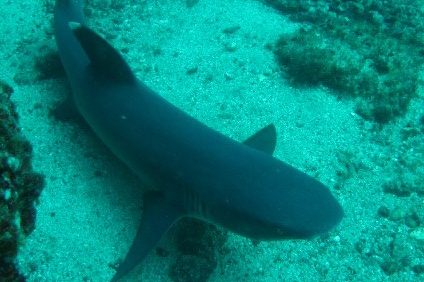
Arco Iris (Rainbow) Rainbow (Arco Iris in Spanish) is just visible above the surface a…
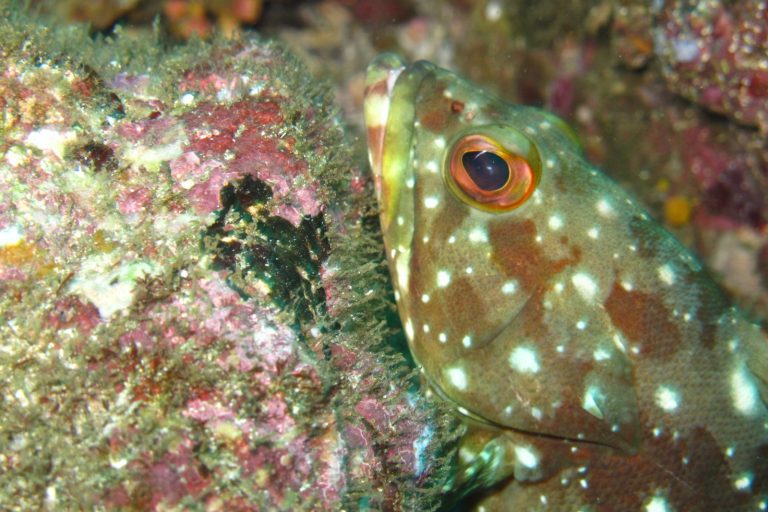
Brumel Island is located on the corner of the coastline heading from Flamingo towards the…
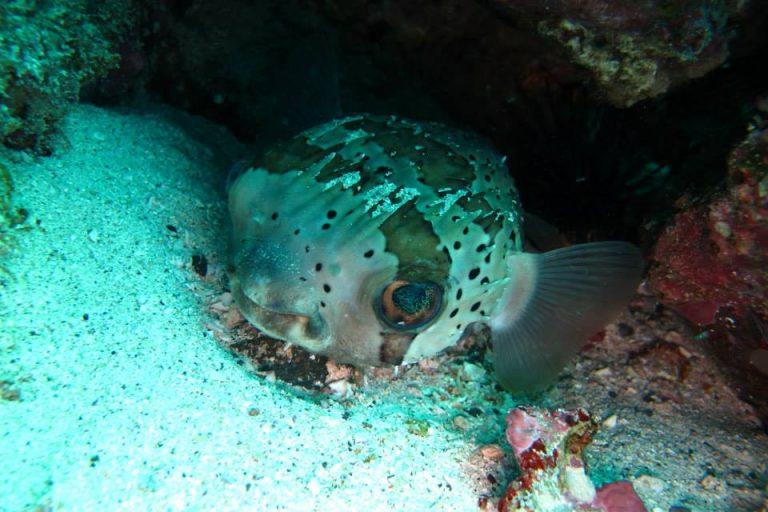
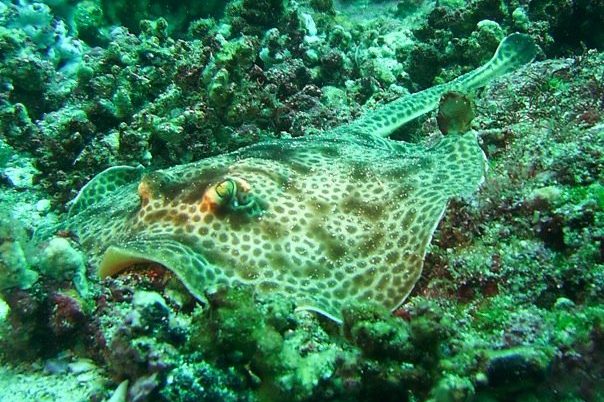
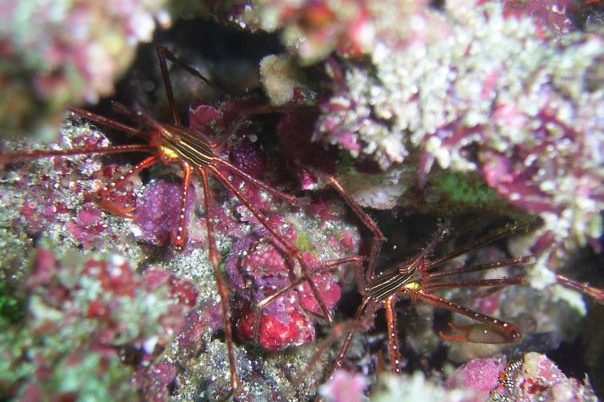
Buttonhole is another one of our coastal dive sites located to the north of Potrero…